
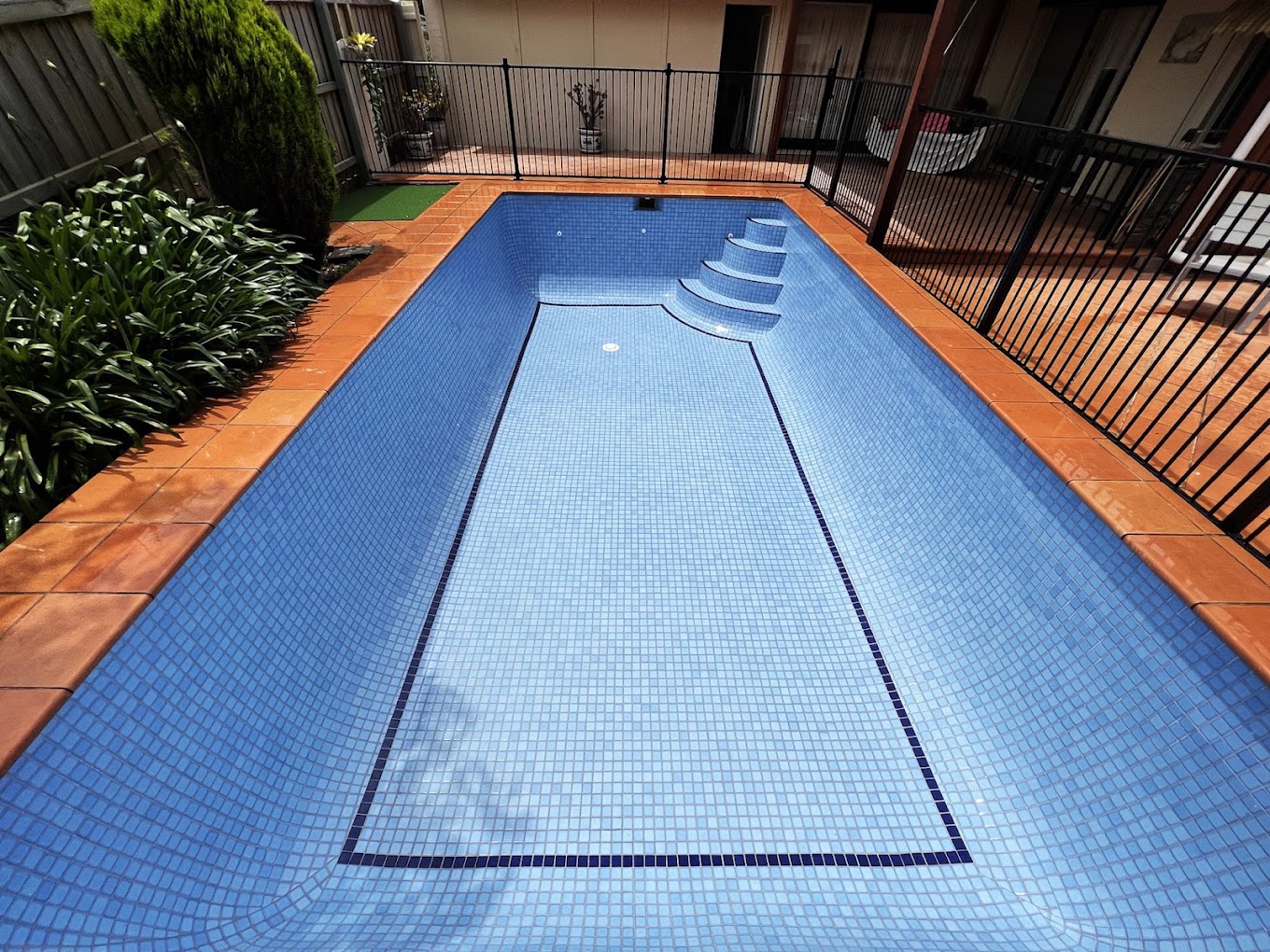
Pool Renovations Melbourne

Resurfacing, tiling, coping and structural repair for concrete, pebble, marblesheen and fibreglass pools across Melbourne’s bayside and inner east.

Pool Renovation Services


Pool Resurfacing

A pool’s interior wears out long before the structural shell does. Our pool resurfacing identifies the existing coating system first, because a resurf only bonds when it’s matched to what’s already on the shell — the wrong system lifts, blisters and peels within a season. Options run from render and quartz to pebble, quartz or glass-bead finish.
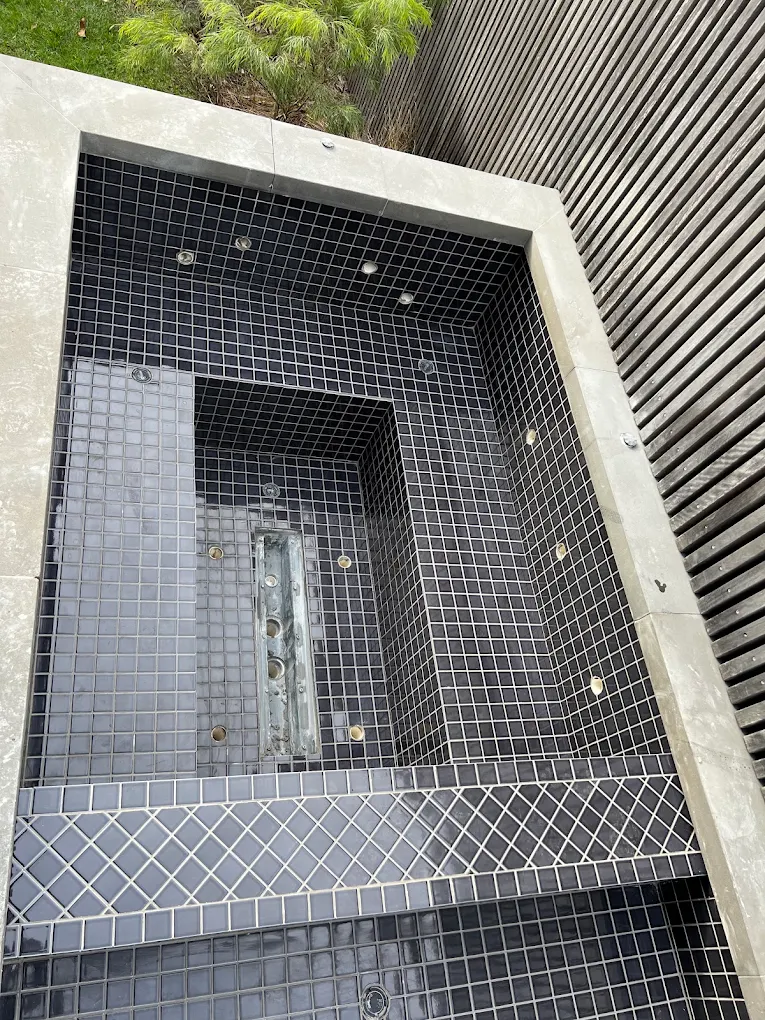

Pool Tiling

From waterline bands to full tiled interiors, our pool tiling uses glass, ceramic or porcelain mosaics set on a waterproof membrane. The waterline band exists to fight the oil, sunscreen and calcium staining that builds up at the water’s edge — the finish is the bonus.
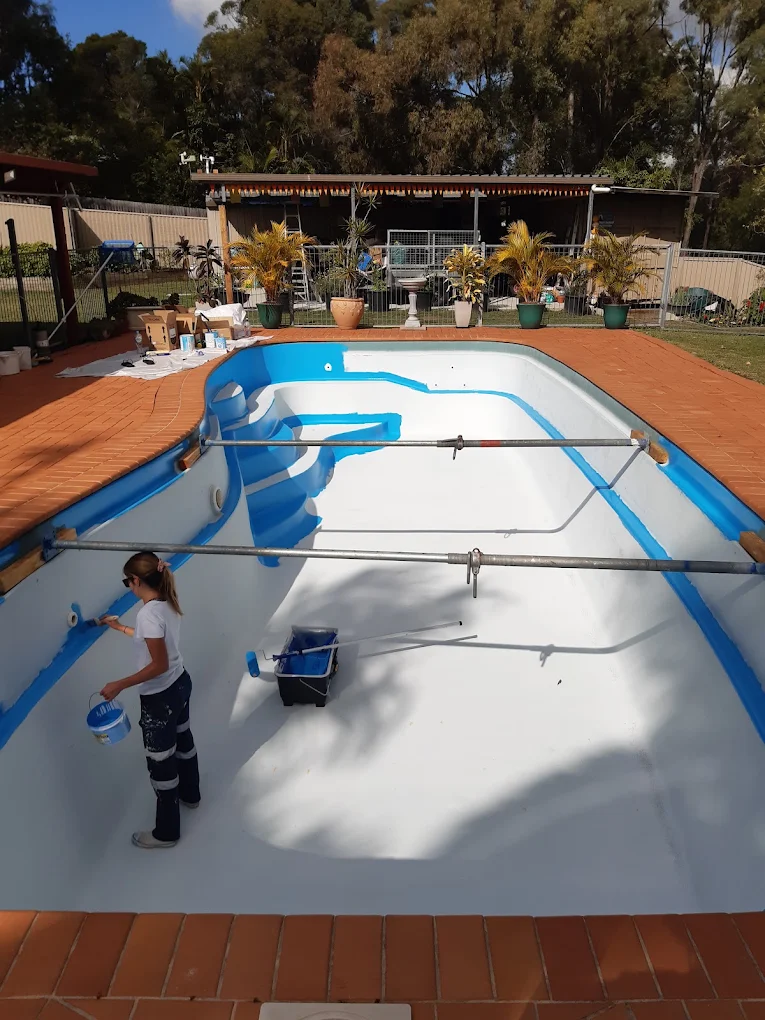

Pool Painting

Epoxy, chlorinated rubber and acrylic coatings each behave differently. Our pool painting identifies the existing paint system first, because a recoat only bonds to a compatible base — the wrong product lifts, blisters and peels within a season.
New bluestone coping installed around a Hampton pool edge

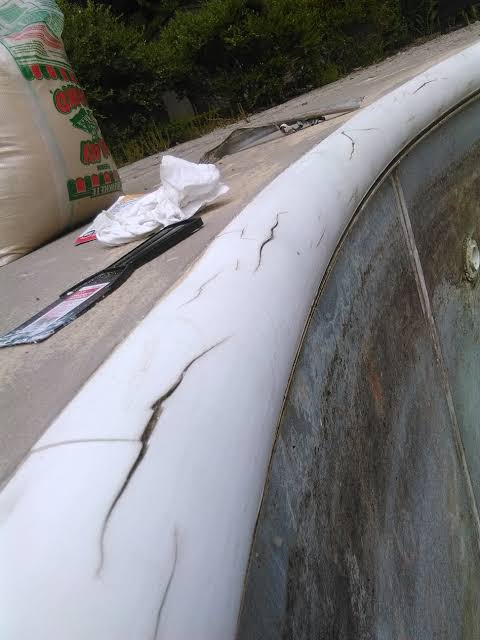
Coping Replacement

Coping that’s lifting, cracked or sounds drummy when tapped means water has got past the mortar bed and is reaching the bond beam. Our coping replacement lifts the failed pavers — poured concrete, precast, bluestone or brick — reseals the beam and relays new coping before the movement turns structural.

Leak Detection & Crack Repair

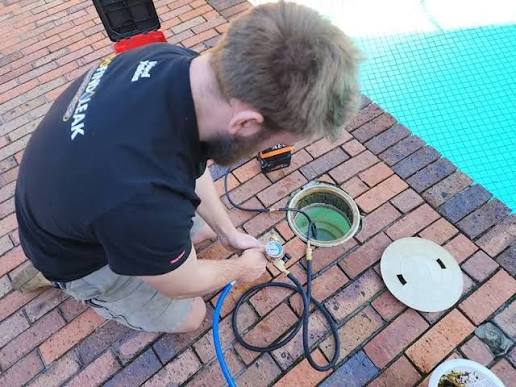
Losing more water than evaporation and splash-out can explain usually means a leak in the plumbing lines or a crack in the shell. Our leak detection pressure-tests the lines, dye-tests the return and finds the source before anything gets dug up — so any crack repair that follows is targeted, not exploratory.

Before Anything Else: Is There Asbestos in Your Pool?

If your pool was built or last resurfaced before the mid-1990s, the interior may contain asbestos.

Marblesheen — a plaster of crushed white marble and white cement applied over a concrete shell — was commonly manufactured with added asbestos fibre for chemical and crack resistance. It is not visually identifiable. Asbestos cement sheeting was also used structurally around some pools, including as support over skimmer boxes, where it sits hidden beneath coping and tiles.

What this means for a renovation. Chipping out an old interior surface is a work process that can release fibres. Under Victoria’s Occupational Health and Safety Regulations 2017, removal of non-friable asbestos-containing material may only be done unlicensed if the total area does not exceed 10 square metres and the total removal time in any seven-day period does not exceed one hour. A pool interior exceeds both. Exceeding either threshold requires a licensed asbestos removalist — Class B for non-friable, Class A for friable.

WorkSafe has prosecuted companies for unlicensed removal in domestic settings.

What to do:

Do not chip, grind, sand, or water-blast an unknown pre-1990s pool interior.

Have a sample tested by a NATA-accredited laboratory before any surface work is quoted.If asbestos is confirmed, removal must be done by a licensed removalist, with notification to WorkSafe and disposal at an EPA-authorised site.

Ask any renovator quoting on your pre-1990s pool what their asbestos process is. If they don’t have one, that is your answer.

Our position: we do not hold an asbestos removal licence and we do not remove asbestos. Where testing indicates ACM, we will not commence surface work until a licensed removalist has completed removal and a clearance certificate has been issued.

Full guide: Asbestos in Melbourne Pool Interiors

The Hydrostatic Valve: Why an Empty Pool Is a Risk

A hydrostatic relief valve is a one-way pressure-relief valve set in the sump pot beneath the main drain cover, at the deepest point of the pool floor.

Its job is groundwater. When the water table rises, pressure builds beneath the shell. A full pool has enough mass to resist it. An empty pool does not. Without a functioning relief valve, groundwater pressure can lift a pool out of the ground, or crack a concrete shell.

The valve lets groundwater enter the pool and equalise that pressure. If you drain your pool and see slightly dirty water seeping in at the main drain, the valve is doing its job.

Why this matters during a renovation:

  • The pool must be drained. That is when the risk exists.
  • The valve is removed and inspected while the pool is empty. A blocked or seized valve is invisible until then.
  • A new valve is installed before refilling. Refilling over a failed valve leaves the shell unprotected against the next high water table.
  • Site position matters. A pool at the base of a valley sits in a very different groundwater regime to one on a rise, even if the pools are identical.

Any renovator who drains your pool without checking the relief valve is exposing your shell to a failure mode that costs more to fix than the entire renovation.

Guide: Hydrostatic Valves and Pool Lifting

Pool Interior Finishes Compared

FinishWhat it is
Pebble / pebblecreteExposed stone aggregate set in a cement-based interior. Durable, textured and commonly selected for grip and long-term wear.
MarblesheenCrushed marble blended with white cement and applied over a concrete pool shell. Older material installed before the mid-1990s may require asbestos testing before mechanical removal.
Quartz-based finishA cement-based pool interior containing marble and quartz aggregate. It provides a smoother feel than coarse pebble with added colour depth and reflectivity.
Glass beadGlass aggregate incorporated into a cement-based finish. It is chosen for strong water sparkle, colour depth and a premium decorative appearance.
Fibreglass gelcoatA resin-based surface applied over a fibreglass shell. It is restored using a compatible fibreglass coating system rather than cement render.
Pool paintUsually a two-pack epoxy, chlorinated-rubber or water-based acrylic coating. It is a maintenance finish that requires periodic recoating.

Choosing a colour. The finished water colour will not exactly match the dry surface sample. Water depth, sunlight, shade and the reflectivity of the selected finish all affect the final appearance.

Light finishes usually create brighter blue water, while darker greys and blues produce a deeper appearance. Glass and quartz aggregates can also make the colour look different as the light changes throughout the day.

For the most accurate comparison, view completed pools in daylight rather than relying only on a small sample chip or brochure image.

Guide: Choosing a Pool Interior Finish

Signs Your Pool Needs Renovating

  • Rough underfoot. A pebble surface that cuts feet has lost its cement matrix. Acid washing accelerates this — it does not fix it.
  • Staining you can’t brush out. Metal, organic, and scale staining each require different treatment. Some respond to chlorine washing. Some do not.
  • Water loss beyond evaporation. An uncovered Melbourne pool loses roughly 20–30mm a week to evaporation in summer. Consistently more than that is a leak. Confirm with a bucket test before calling anyone.
  • Rust bleeding through the interior. Rebar corrosion. Structural.
  • Blistering or flaking gelcoat. Fibreglass osmosis. It spreads.
  • Chalking paint. The binder has broken down. A repaint over chalked paint will fail.
  • Coping that drums or lifts. Water behind the bond beam.
  • Loose or fallen tiles. Adhesive failure, substrate movement, or inadequate expansion joints. Which one determines whether retiling will hold.

Pool Barrier Compliance in Victoria

Every swimming pool or spa in Victoria capable of holding more than 300mm of water must be registered with the local council and must have a compliant safety barrier, under the Building Regulations 2018.

Owners must lodge a Certificate of Barrier Compliance (Form 23) with council within 30 days of issue, and lodge a new certificate every four years. Fines for failing to register or lodge on time exceed $1,900.

Three things Melbourne pool owners routinely get wrong:

Registration and certification are separate obligations. A perfect fence with no registration is non-compliant.
The applicable standard is the one that applied when the pool was built — not the current one. An older pool may be held to a 1200mm clearance rule, not the modern 900mm rule. Generic online advice misleads owners of older pools constantly.
Only a registered building surveyor, building inspector, or Building Inspector (Pool Safety) can issue a Form 23. A builder cannot. A renovator cannot.

If your renovation involves building work on the barrier requiring a permit, the relevant building surveyor must inspect the barrier and determine compliance.

We are not pool safety inspectors and we do not issue compliance certificates. We renovate to a standard that will pass inspection, and we tell you before we start if your barrier is going to be a problem.

Full guide: Pool Barrier Compliance in Victoria

How Much Does a Pool Renovation Cost in Melbourne?

Price is driven by shell size, the condition of the substrate beneath the old surface, machinery and waste-removal access, the finish you choose, and whether asbestos testing returns a positive result.

WorkMelbourne indicative range
 Waterline tile replacement  $3,500 – $8,000
Interior resurfacing — pebble$8,000 – $15,000
Interior resurfacing — quartz-based$10,000 – $18,000
Repaint$4,500 – $9,000
Full renovation — interior, tiles and coping$20,000 – $45,000+
Structural crack repair$2,000 – $10,000+
Asbestos removal by a licensed third party$2,000 – $10,000+, plus testing

These are indicative Melbourne budgeting figures for a standard residential pool, not fixed quotations. A contractor can give an initial estimate while the pool is full, but a final scope is not possible until the pool is drained and the existing finish has been inspected.

Our Process

1. Assessment

Inspect full, then drained. Substrate condition is not visible through water.

2. Asbestos Testing (Pre-1990s Pools)

Sample tested by a NATA-accredited laboratory before any quote for surface removal is issued.

3. Fixed Written Quote

Scope, finish, timeline, price. In writing, before work begins.

4. Drain and Hydrostatic Valve Removal

Valve removed and inspected. A seized valve is found here or not at all.

5. Preparation

Strip the failed interior. Expose and treat rebar corrosion. Bond coat.

6. Renovation

Interior application, tiling, coping as scoped.

7. New Valve, Controlled Fill, Start-Up Chemistry

A new hydrostatic valve is installed before refilling. Interior finishes require a controlled fill and a managed water-chemistry regime. Getting the first 30 days wrong permanently marks a new surface.

FAQ

Could my pool contain asbestos?

If it was built or last resurfaced before the mid-1990s and has a marblesheen interior, it’s possible. Asbestos was added to marblesheen for chemical and crack resistance and is not visually identifiable. Asbestos cement sheeting was also used around skimmer boxes, hidden under coping. Test before any surface work.

A one-way relief valve in the sump beneath the main drain. It lets groundwater into an empty pool to equalise pressure beneath the shell. Without a working valve, a drained pool can lift out of the ground or crack. It is removed and replaced during every renovation.

A waterline retile: a few days. A full interior resurface with tiling and coping: three to four weeks, weather dependent. Rain during the render stage stops work. Asbestos removal, if required, adds time and a separate licensed contractor.

Yes. Cure times are longer and rain delays more frequent. Most Melbourne pool renovation runs September to March, so booking in autumn or winter usually means shorter lead times.

If the shell is structurally sound, resurface. Replacement costs multiples and requires excavation access. Replace when the shell has genuinely failed, the pool is in the wrong position, or you want a different size or shape.

Resurfacing an existing pool generally does not require a building permit. Work affecting the barrier, structure, or surrounds may. Your pool must remain registered with council regardless, and a Certificate of Barrier Compliance must be lodged every four years.

Bucket test. Place a bucket of pool water on the top step. Mark the level inside and outside the bucket. Wait 24 hours with the pump running normally. If the pool drops more than the bucket, you have a leak.

Because water colour is a function of depth, light angle, and how reflective the finish is — not just the surface colour. Ask to see a filled pool in daylight.

Get a Free Pool Assessment

We’ll inspect the pool, tell you honestly whether it needs a resurface or a retile, and give you a written scope before you commit to anything.